Age Verification
You must be 18 years or older to enter. By clicking below, you confirm that you meet this requirement.
Products contain hemp-derived CBD with less than 0.3% THC. These statements have not been evaluated by the FDA.
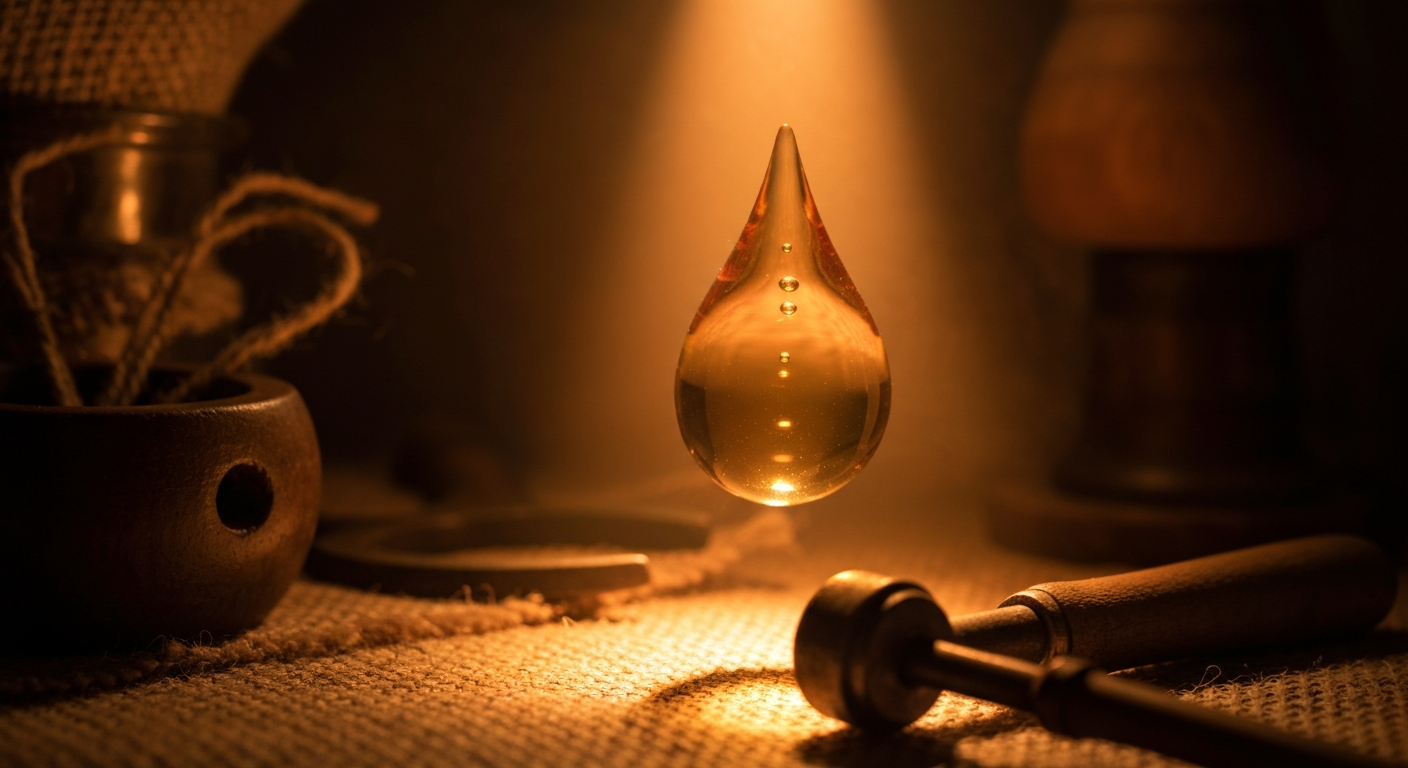
Pour yourself something warm, get comfy, and let's take a little trip through time. Hemp has been woven into the fabric of America (literally — we'll get to that) for centuries. Its story is full of surprising twists, founding fathers, naval ropes, propaganda films, and one very important comeback.
Here's the journey, told the fun way.
🌱 1600s: Hemp Lands in the Colonies
When English settlers arrived in the New World, they brought hemp seeds with them. It was so essential that in 1619, the Virginia Assembly actually required farmers to grow it. Yes — required. Massachusetts and Connecticut followed with similar laws.
🇺🇸 1700s: The Founding Fathers Were Hemp Farmers
George Washington grew it at Mount Vernon. Thomas Jefferson grew it at Monticello. Benjamin Franklin used hemp in one of America's first paper mills.
Fun fact: Early drafts of the Declaration of Independence were reportedly written on hemp paper.
⚓ 1800s: The Industrial Workhorse
Hemp became one of the most important cash crops in America, especially in Kentucky. The U.S. Navy depended on it for rope and sail canvas. (The word "canvas" actually comes from "cannabis"!)
🎬 1930s: The Great Misunderstanding
Here's where the story takes a turn. In 1937, the Marihuana Tax Act was passed, which lumped hemp in with its cousin and made it nearly impossible to grow. The infamous film Reefer Madness (1936) didn't help either.
✈️ 1940s: "Hemp for Victory!"
Plot twist! During World War II, the U.S. government suddenly needed hemp again for military supplies — parachute webbing, ropes, uniforms. So they released a film called "Hemp for Victory" (1942) encouraging farmers to grow it for the war effort.
🚫 1970s: The Quiet Years
The Controlled Substances Act of 1970 grouped hemp with restricted substances, and American hemp farming essentially went dormant for decades. Meanwhile, countries like Canada, France, and China kept growing it.
🌿 2014: The First Crack of Light
The 2014 Farm Bill allowed states to begin hemp pilot programs for research. Farmers, scientists, and entrepreneurs started experimenting again.
🎉 2018: Hemp Comes Home
The big one. The 2018 Farm Bill federally legalized hemp (defined as cannabis containing 0.3% or less delta-9 THC), removing it from the Controlled Substances Act. Farmers across the country could grow it again — legally, openly, proudly.
✨ Today: A New Golden Era
Hemp is now part of wellness routines, sustainable textiles, eco-friendly building materials, paper, food, and more. It's powering a new generation of small businesses, farmers, and brands — including ours.